The pest control acquisition market in 2026.
Valuations, buyers, and the forces shaping the sector right now.
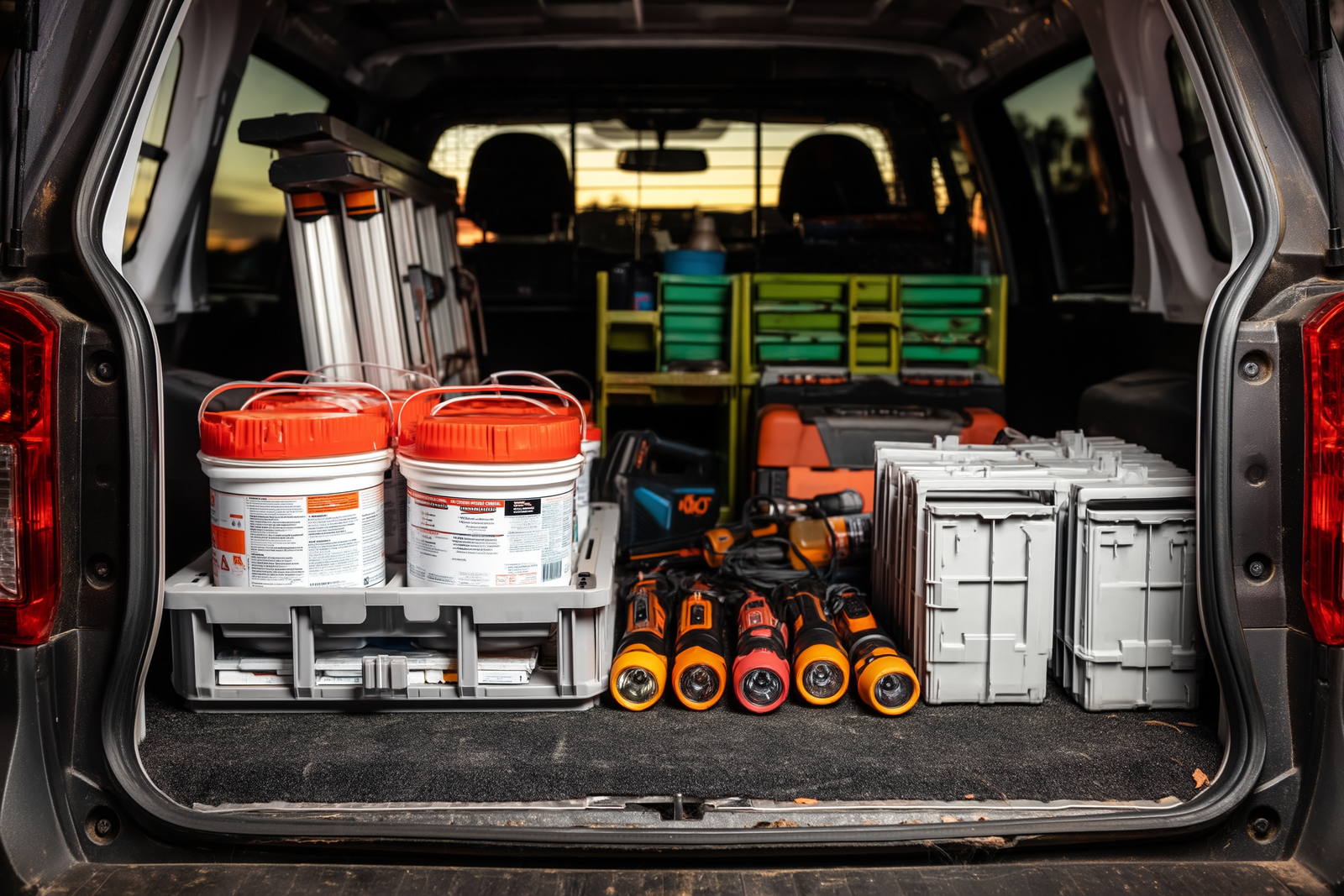
Consolidation has reached the SME layer of the pest control sector.
For years, sector consolidation was a story about the large international groups. That activity has now moved decisively down the chain. Private equity backed platforms (owned by investment firms that buy companies to grow and sell on) and established pest control groups are actively targeting independent pest control businesses across the UK, looking for strong commercial contract books, BPCA membership, and dense route structures.
The reason is simple. Organic growth in a mature sector is slow. Acquiring established businesses with sticky contract revenue and trained technicians is faster and more capital-efficient than building from scratch. HACCP food safety compliance and corporate demand for documented pest management have both strengthened the underlying business model, making pest control a genuinely attractive sector for institutional capital.
For owners, this is not a fleeting trend. It is a structural shift in who buys pest control businesses, what they pay, and how they value specific attributes like BPCA membership and contract book quality.
Who is actually buying pest control businesses in 2026.
Three distinct buyer types are active in the current market, each with different motivations and different preferences. Understanding which buyer is the best match for your business is one of the biggest factors in getting the most from your sale.
Private equity backed platforms are one type of buyer. They target businesses with:
- A high share of recurring commercial contract revenue
- BPCA membership, NPTA membership, or CEPA certification
- Route density within their existing regional footprint
- Professional management and documented systems
- A stable, qualified technician team capable of servicing contracts without the owner
- Clean accounts and a clear growth story
Trade buyers, which is established pest control groups expanding geographically or adding specialist capability, compete directly with PE for the strongest targets. Individual buyers, often senior technicians or former managers with funding, typically focus on smaller, owner-operator businesses. Each buyer type produces different deal structures, different valuation multiples (the figure yearly profit is multiplied by to set the price), and different outcomes for the seller and the team. A competitive process that involves all three categories is the most reliable way to test the real market value of your business.
An illustrative worked example.
To illustrate how pest control valuations work in practice, here is an illustrative example, not a record of any one sale. Buyers work from adjusted EBITDA: profit before interest, tax, and the write-down of equipment, vehicles and other assets, with the owner's extras and one-off costs added back.
Example Pest Control Business Profile
What pushes this example to the top of its range: Full BPCA, NPTA, and CEPA accreditation reduces buyer risk. A 70 per cent commercial book provides sticky, predictable revenue. Low client concentration removes a significant discount factor. An owner-manager structure means the business already runs without the owner doing callouts.
What pushes towards 5x: Geographic spread across a wide area reduces route density, which is the hidden multiplier for PE acquirers. Any ageing contract book or dependence on legacy clients without renewal provisions introduces uncertainty. Technician turnover in the previous twelve months can also soften the number.
Every business is different. This example illustrates the methodology, not a promise. Your valuation depends on your specific circumstances, current market conditions, and who is bidding on the day.
The BADR rise: why timing still matters.
Business Asset Disposal Relief (BADR) provides a reduced rate of Capital Gains Tax, the tax on the gain you make when you sell, on qualifying gains up to a lifetime limit of £1 million. The rate has risen in stages, and in April 2026 it rose to 18%.
| Before Oct 2024 | Oct 2024 to Apr 2025 | Apr 2025 to Apr 2026 | From Apr 2026 | |
|---|---|---|---|---|
| BADR Rate | 10% | 10% | 14% | 18% |
| Tax on £500K gain | £50,000 | £50,000 | £70,000 | £90,000 |
| Tax on £1M gain | £100,000 | £100,000 | £140,000 | £180,000 |
These are simplified illustrations. Capital Gains Tax calculations depend on your personal circumstances. Always take advice from your accountant.
The rate change is legislation, not speculation. For a £500,000 gain, the difference between 14% and 18% is £20,000. For a £1 million gain, it is £40,000. The rise took effect in Apr 2026, so a sale contracted now pays 18% on qualifying gains.
Find out what your pest control business is worth.
Start with a free first conversation with Simon or Emily, in confidence. The paid Business Value & Exit Snapshot is a written, indicative view of value, and what to fix first.
Current market context for pest control business owners
Active companies in pest control and disinfection: About 1,440
Source: Companies House, October 2026.
Client concentration: a large single client is a risk buyers price in
When a single commercial client represents a large share of revenue, most buyers apply a discount or seek deferred consideration, paying part of the price later on fixed dates, to reflect the concentration risk.
Rodenticide supply rules: CRRU training or CPD from Jan 2026
Since Jan 2026, professional rodenticide products are only supplied to people who have completed a CRRU UK approved training course or belong to a CRRU UK approved CPD scheme. Source: HSE, April 2025.
BADR April 2026 rate change: 14% rose to 18%
Business Asset Disposal Relief rates increased in April 2026. On a qualifying gain of £1 million, the difference is £40,000. Always take independent tax advice.
The consolidation wave has reached SME level.
Groups owned by private equity firms, investment firms that buy companies to grow and sell on, and national groups are building regional portfolios, paying premium prices for contract-rich businesses with BPCA membership and strong commercial books. A book of written commercial contracts in a tight patch will sell for more years of profit than a round of domestic callouts earning the same. Since April 2026, owners who qualify for Business Asset Disposal Relief, the lower tax rate for selling a business you work in, pay 18% on the gain rather than 14%, so they keep a little less of a sale, and timing is now a live tax question.
Sources: BPCA, October 2026; Companies House, October 2026; Reads' Pest Control Business Owner's Guide to Selling, Autumn 2026; Brodies LLP, BADR March 2026.
Discuss the market with a sector specialist.
Tell us about your business and we will be in touch within two working days.
Thank you for getting in touch.
We have received your enquiry and will be in contact within two working days. Everything you have shared is treated in the strictest confidence.